
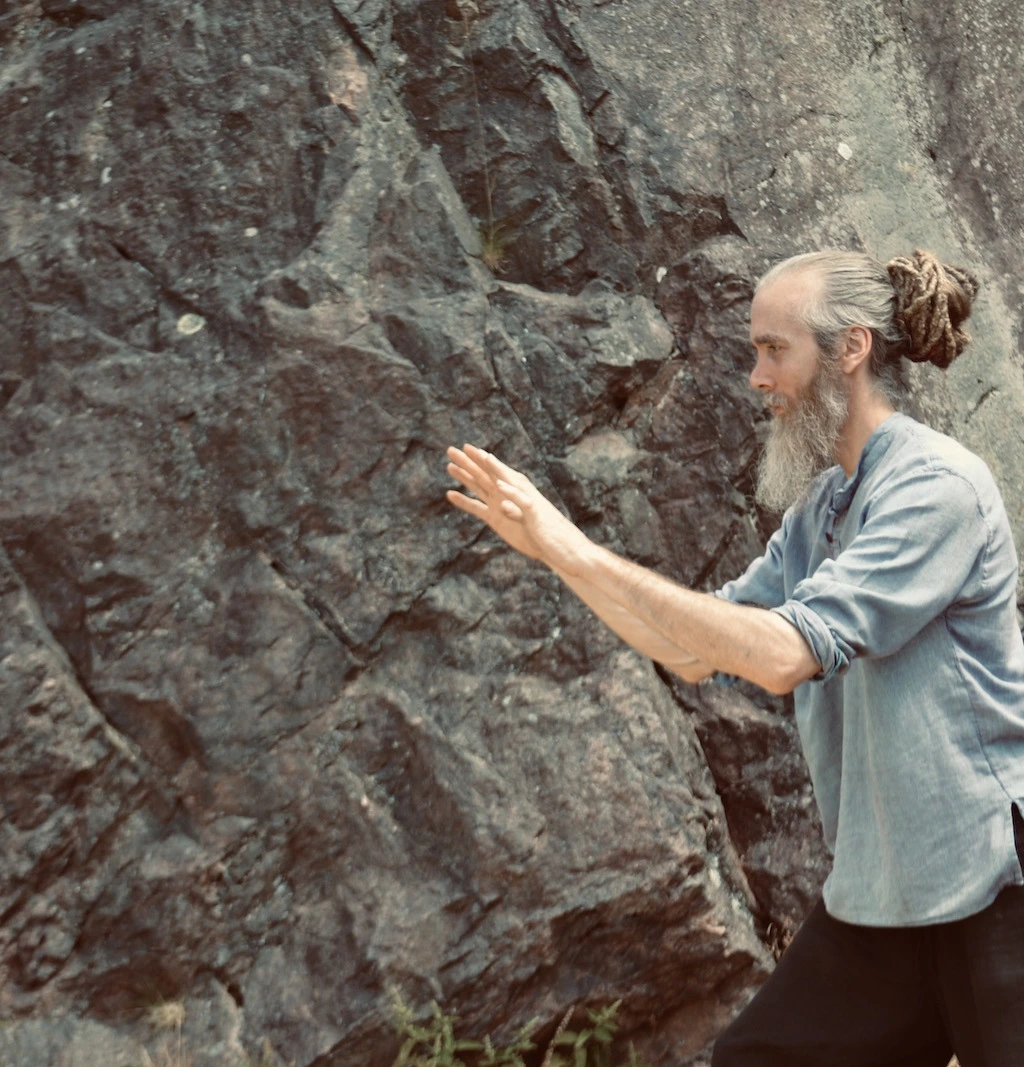
Flowing with life,
do not oppose the changes.
Maintain firm roots in the Earth
and a spirit turned to Heaven…
Tàijí/QìGōng Classes in Malvern and Worcester. New students always welcome.
Tàijí
Tàijí is not about fighting,
it's just all about fighting.
Very few people expect to test Tàijí in a real fight, but we all face interpersonal conflict from time to time. The tàijí practitioner builds the physical habit of letting go of resistance, releasing opposition and softening attachment to expectations. If most people's conditioned response to pressure is to tense, brace, resist or retaliate, then tàijí training (even for actual fighting) is to practice unlearning those long rehearsed habits. This translates, through a sort of inner alchemy, into a genuine calm in the spirit - even under physical or emotional pressure there can be equanimity.
There can be no conflict without the ideas of a separation between self and other. We start from a belief in a division between us and them. Taiji can be practised as a path through fear of the unknown and of the other. It can soften the ego's desire to dominate, and the habitual impulse to meet force with force. One can cultivate instead a mind-body system that stays loose and responsive under duress. Combat here becomes a mirror: the opponent without exposes the resistance within, and mastery of one is inseparable from mastery of the other.
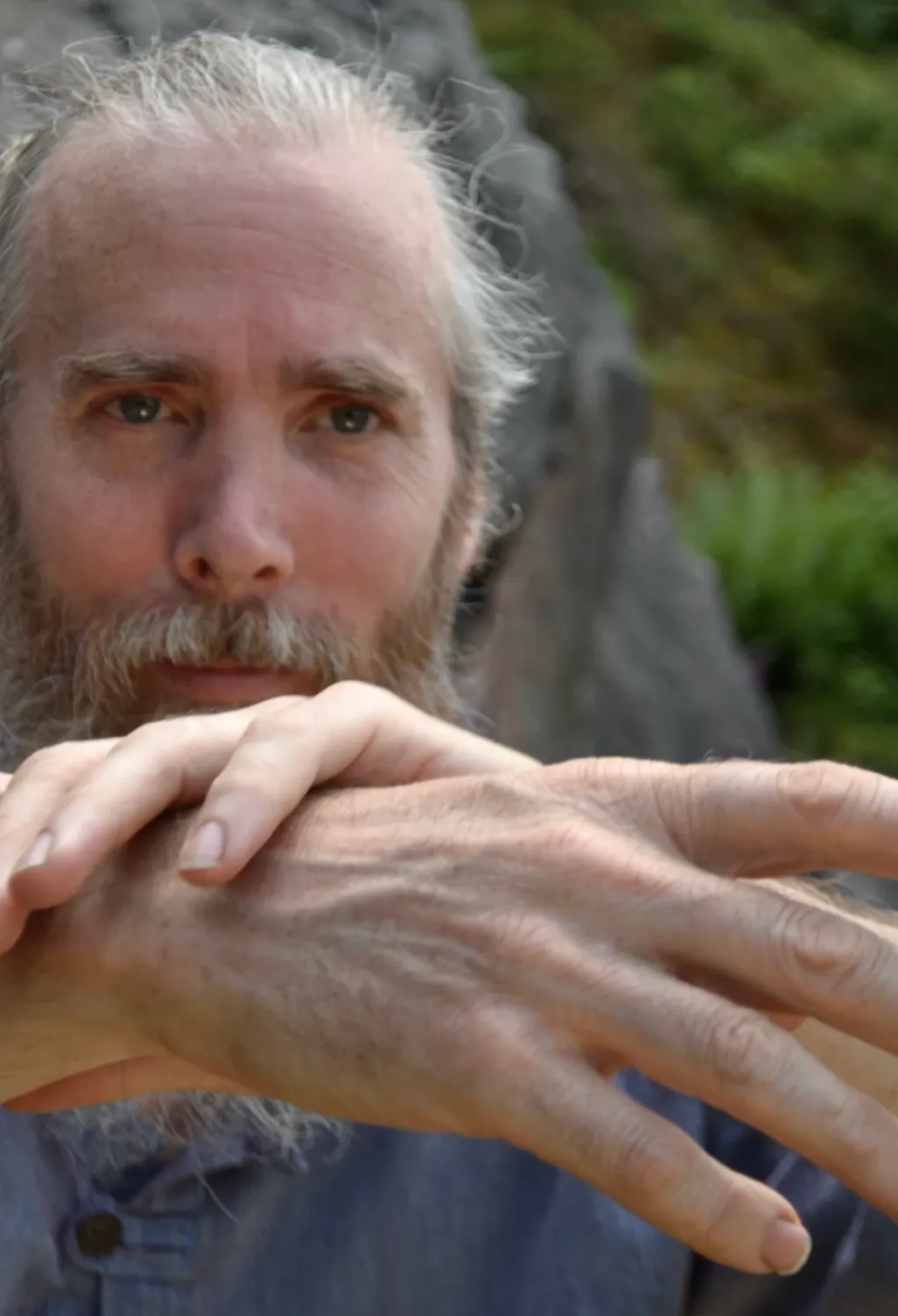
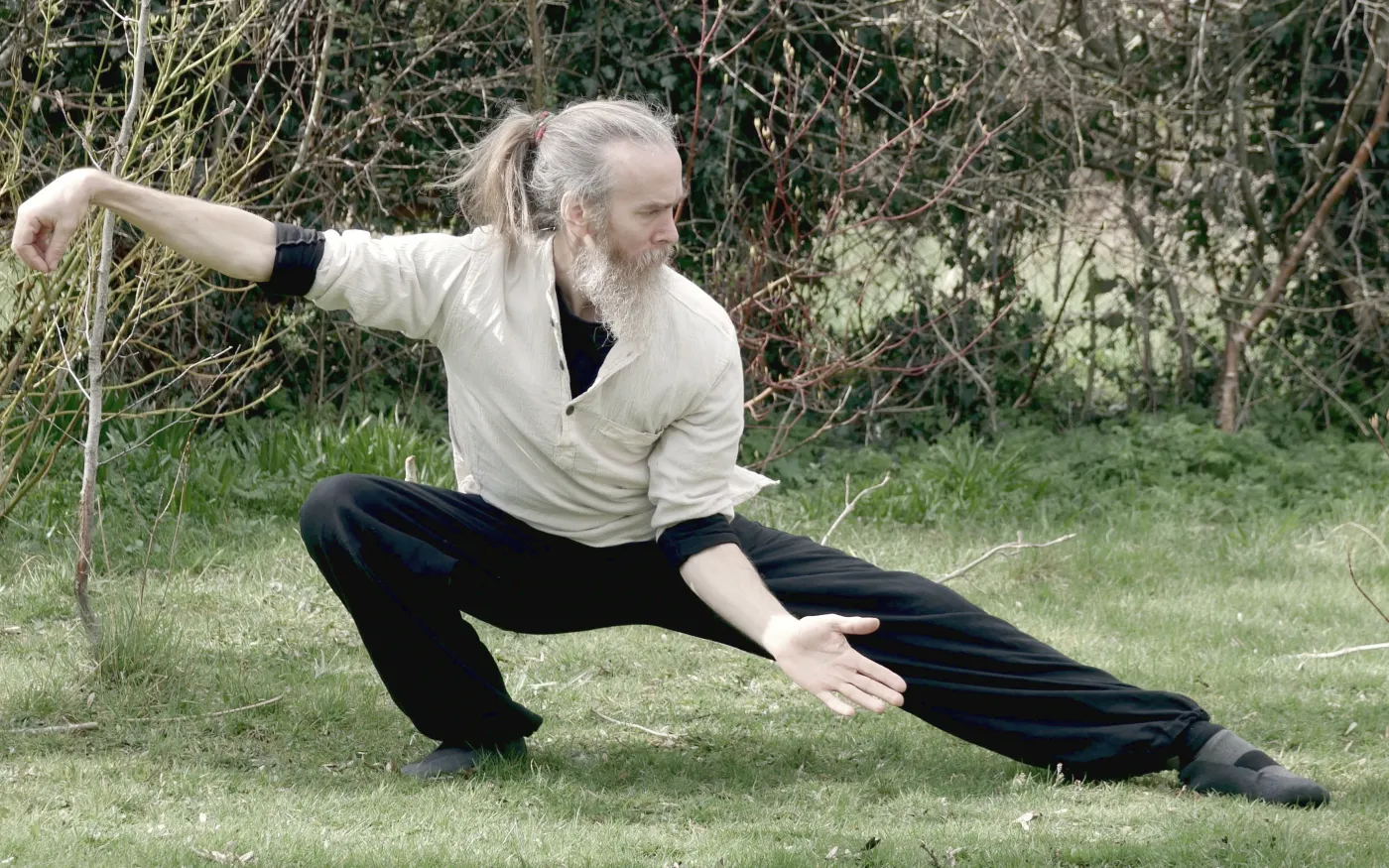
"Each moment and every movement flows, without ending & with no beginning"
Syllabus
Three Treasures
Six Harmonies,
Eight Energies,
Jīběn Tàijí
formA condensed sequence to distinguish the essential habits of movement for Yang-style Tàijí. The entry point for building correct structure, connection and coordination.
Dìngshì
fixed postureForm practice where postures are held long enough to reveal where the body grips, collapses or closes. Stillness as active practice.
Sōng Gōng
loosening skillSystematic exercises to release held tension from the joints and connective tissue. The body learns to move as one harmonious unit.
Zhàn Zhuāng
standing postStanding meditation that develops internal awareness, opens the body, aligns the structure and trains the nervous system.
Tàijí Bùfǎ
stepping drillsFootwork patterns that train rooting, balance, weight transfer and the coordination of step with intent. The legs are the foundation for everything above.
Bā Mén
eight gatesA drill containing the eight fundamental energies of Tàijí — Péng, Lǚ, Jǐ, Àn, Cǎi, Liè, Zhǒu, Kào.
Tuī Shǒu
push handsPartner practice. Two people, listening before speaking — yield before redirect.
Dà Lǚ
big rollbackFour-direction partner forms, practising the corner energies. Larger in scale than push hands, close in nature to a form but one that adapts in response to an active partner.
Nick
Tàijí is always simple,
simple isn't always easy.
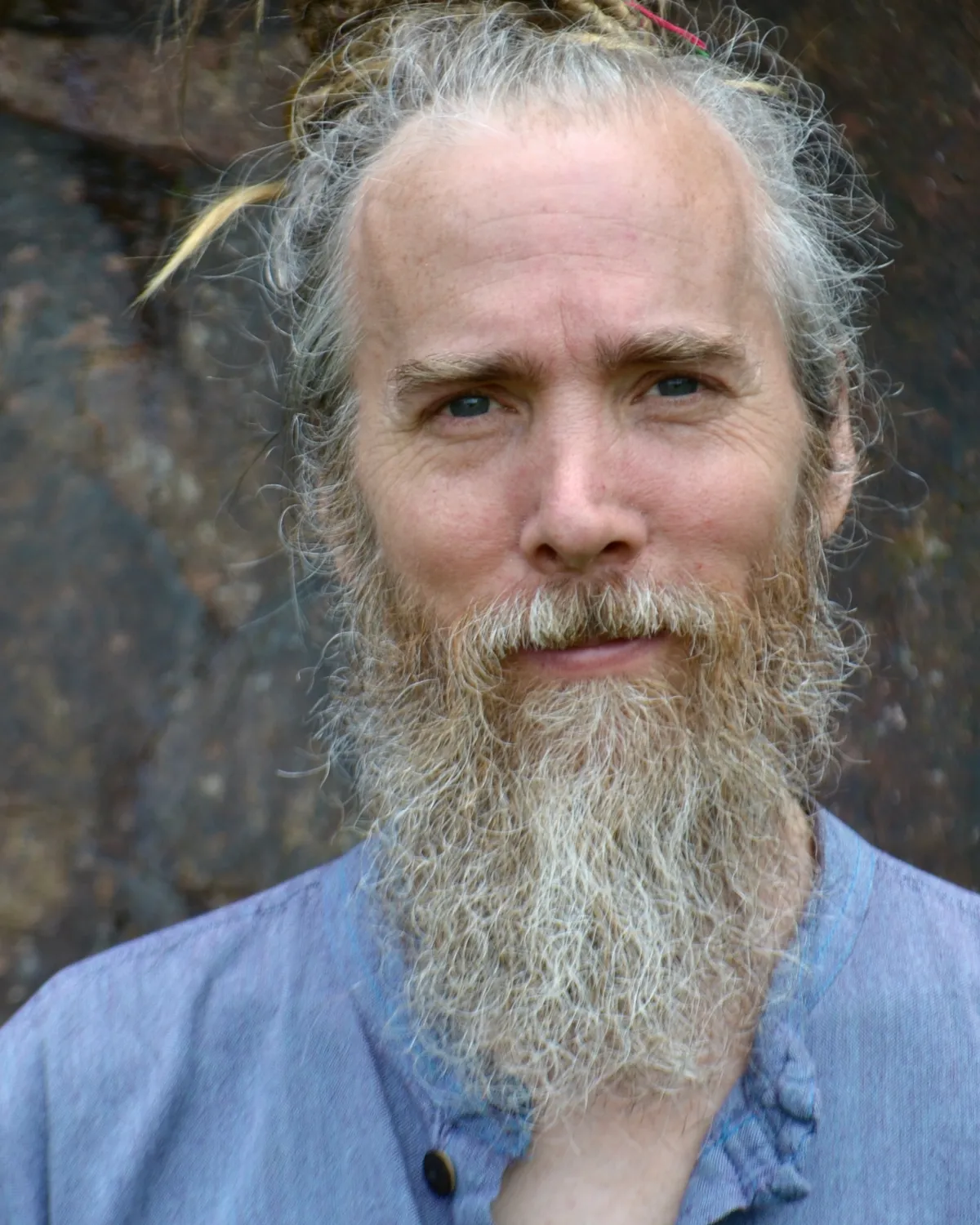
- BioNo matter what your level of experience, everyone has something to learn, especially me. When I teach I treat neither beginner nor senior students as if they 'should' be able to do what I am teaching; I can only explain the causes and conditions, and the consequences take care of themselves.
- Below is an outline of my training history, but it is no more than a gesture towards the past. There were years when I studied diligently and long stretches where I watched myself not practise. The principal benefit of classes, both for you as a student and particularly for me as a teacher, is that there are others who are interested in the skill that comes from practice.
- Karate - for a year or so while at school
- Wing Chun - for 2 years at Sixth-form college
- Tai Chi - very briefly at University
- Tai Chi - With Alan Smith and Richard Farmer at Rising Dragon Tai Chi and then Hartlands. (On and off - and often more off than on.)
- Serious Study of Internal Tàijí with Paul Mitchel, Neil Lodge, Wee Kee Jin and many other teachers. (Some of whom are also my students - thank you!)
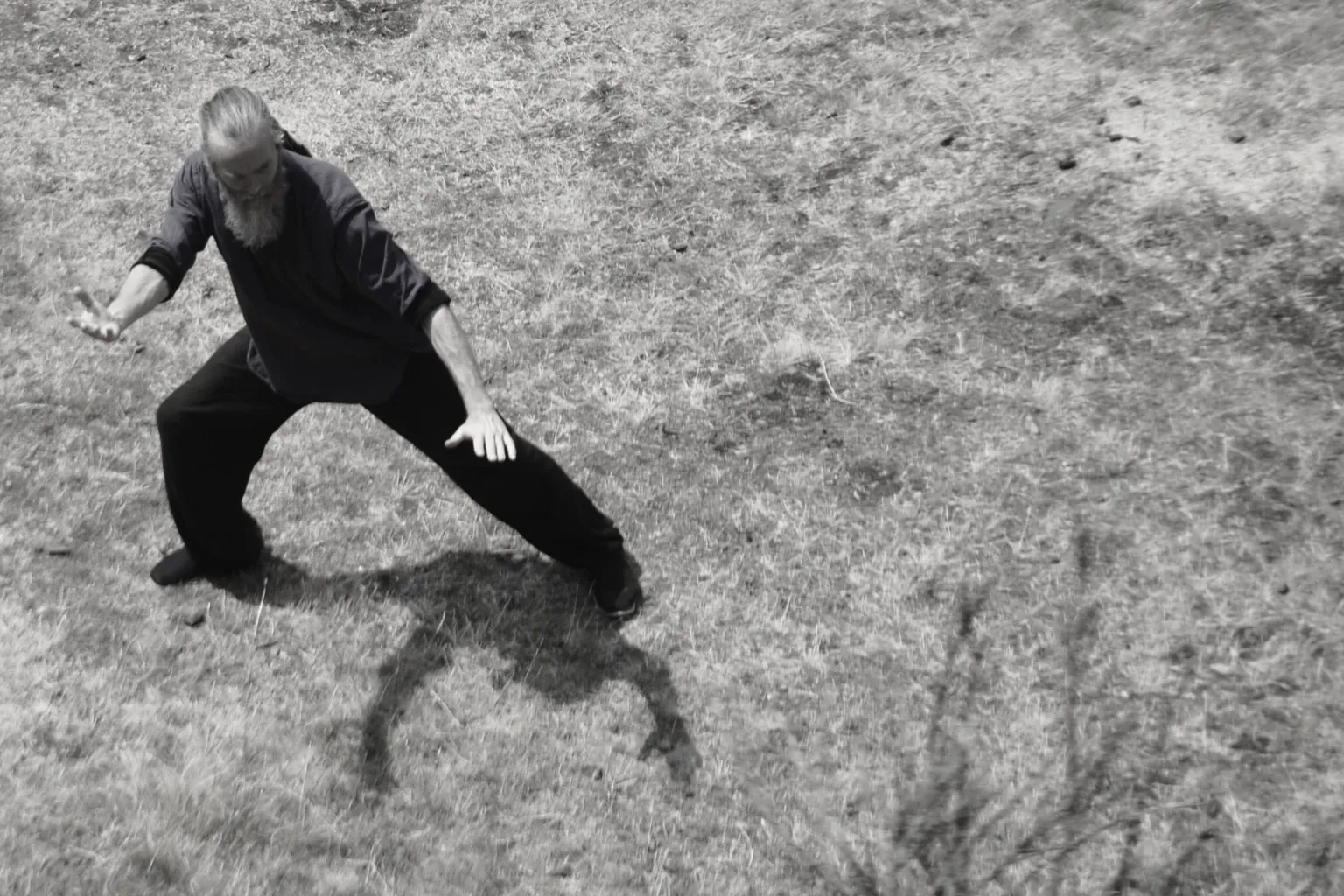
Fluidity & fullness within.
Balance & harmony without.
Such is the nature of tàijí.
Martial
I've never been much of a fighter and the tàijí I teach seldom dwells on fighting, but I do help my students explore applications. Tàijí never was and is not the place to start if you want to learn to fight, but should you fall into conflict, it won't give you bad advice. A crucial step on tàijí's martial path (or any other) is to cultivate Ting Jin 'listening energy'. Ting is the internal sensitivity which matures into the fighting skills of listening to an opponent even while yielding, redirecting & absorbing their attack. When you are absorbed in the flow of the moment the application of technique - counters, throws, strikes, locks and kicks become part of the moment. I hope it never comes to that.
Medical
Tàijí is a form of QìGōng and extensive research has found it to have very many health benefits - which I don't need to explain because you are here, and you have the internet. However, what I do want to stress (no pun intended), is that human physiology has evolved adaptations to acute natural stressors, these include (amongst other things) restricted circulation and range of motion around trauma. The stress of modernity, however, is often chronic and anything but natural. You could just have a lie down or a hot bath but what distinguishes well practised Taiji from apathy or feeble low-impact wafting exercises, is that tàijí is more than skin deep. Tàijí cultivates the Three Treasures of Body Energy and Spirit and its profound principle of non-resistance and abiding calm come to govern the internal body system as much as it governs one's response to an external opponent.
Mystical
Taiji is often described as meditation in motion. After a while that may be so, but to begin with there is a lot to learn and spiritual matters seem all but irrelevant. But then again that is part of the process of revealing how much thinking and worry we primates unnecessarily add to life. A practitioner who internalises Taiji — rather than merely performing choreography and technique — aligns with their circumstances rather than comparing and imposing on them or denying and opposing them. Such a one meets each moment without anxiety, deliberation or strategy; their responses to life are simply harmonious with what arrives. The body-mind being governed by the principle of Wúwéi, effortless action without imposition.
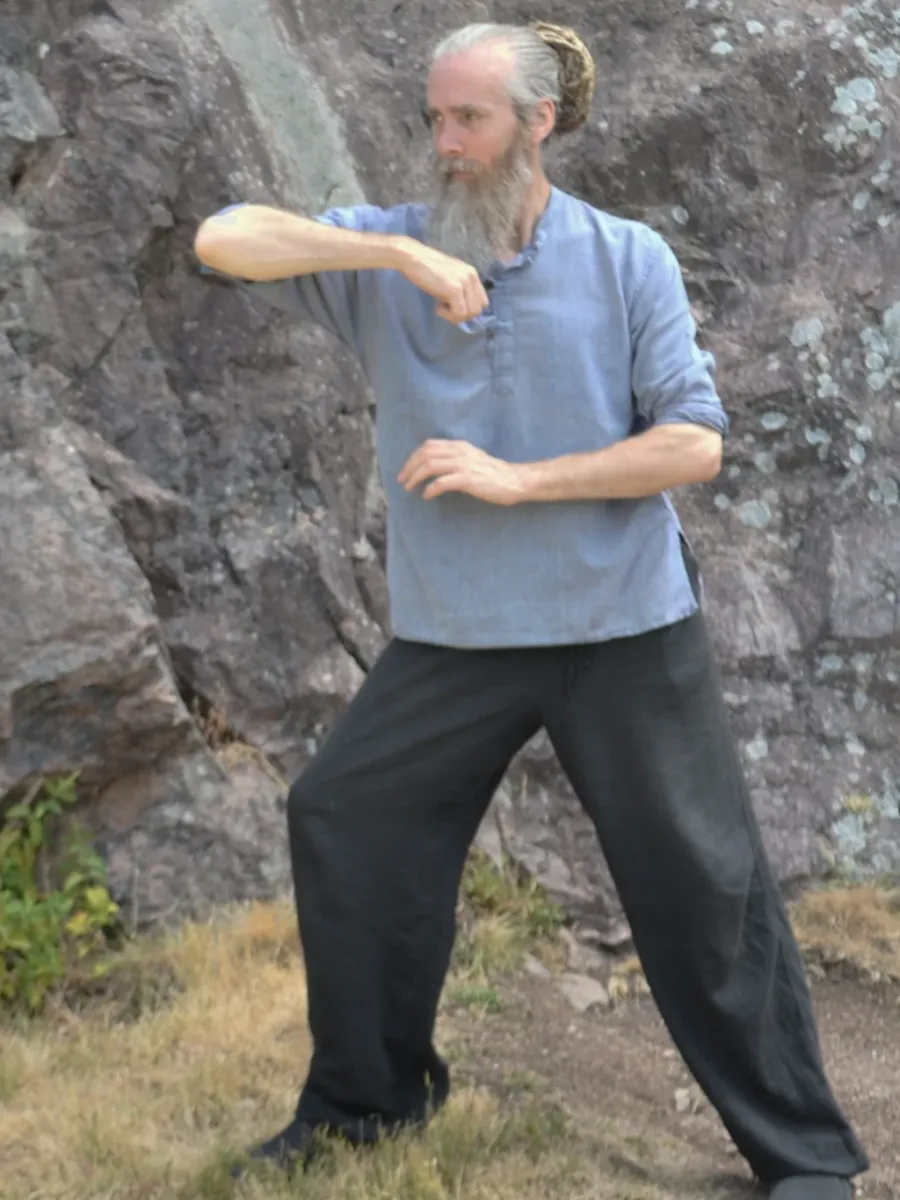
Classes
Jīběn Tàijí
Foundations of Tàijí
Classes starting September — book in advance - by email or phone (07717 368 746) or just drop in and see if there's space.
Tuesday
19:00 - 21:00
Rodway Hall, Malvern
Saturday
10:00 - 12:00
Priory Park, Malvern
reserve your place in a class